
While the Jakarta government is currently facing , a major plan to decrease the use of all private vehicles in Jakarta is gathering dust on the shelf.
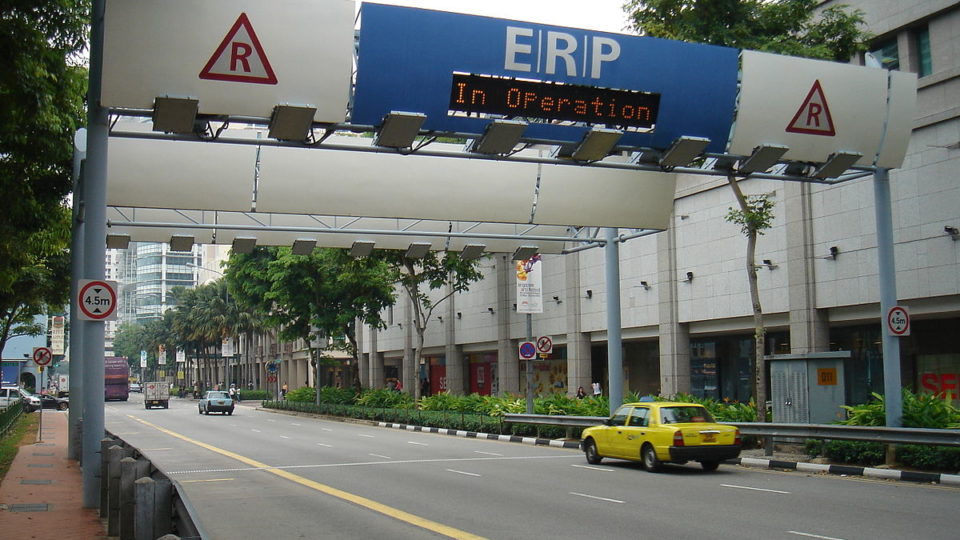
Besides the MRT (mass rapid transit system, hopefully starting commercial operations in 2019), Jakartans have long been waiting for another three-letter word to help save them from the Indonesian capital鈥檚 increasingly terrible traffic – ERP. Standing for electronic road pricing, Jakarta鈥檚 ERP system (based heavily on Singapore鈥檚 and other cities鈥�) would charge drivers passing through gates to certain parts of the city using an automatic electronic system.
The Jakarta ERP project was first initiated in 2012, but since then little has been accomplished on the project save for two test gates that were built. But a serious attempt at actually implementing the system has never been undertaken, as city officials are worried it may never happen.
“It’s been five years since the ERP has been discussed, but it has never been realized,” said Syaiful Jihad, executive director of the Jakarta Public Service Department yesterday as quoted by .
Syaiful said the ERP was urgently needed to help the capital鈥檚 traffic situation but lamented that there seemed to be no willingness on the part of stakeholders.
Jakarta Transportation Department Head Andri Yansyah said the ERP was still being discussed seriously, since the government鈥檚 current traffic control policies, such as the odd-even system and motorcycles bans, are just temporary 鈥減atching solutions鈥� until more permanent solutions can be built.
However, Andri said that the government procurement auction to acquire an ERP system has been open since last year and a winner has not yet emerged.
Last year, former Jakarta Governor Basuki 鈥淎hok鈥� Tjahaja Purnama pushed for the government to manage the ERP system so that its profits could be funneled directly into public transportation (as opposed to a private company managing and profiting from it, as was originally planned), but he admitted that bureaucratic problems could push the project back for some time.


