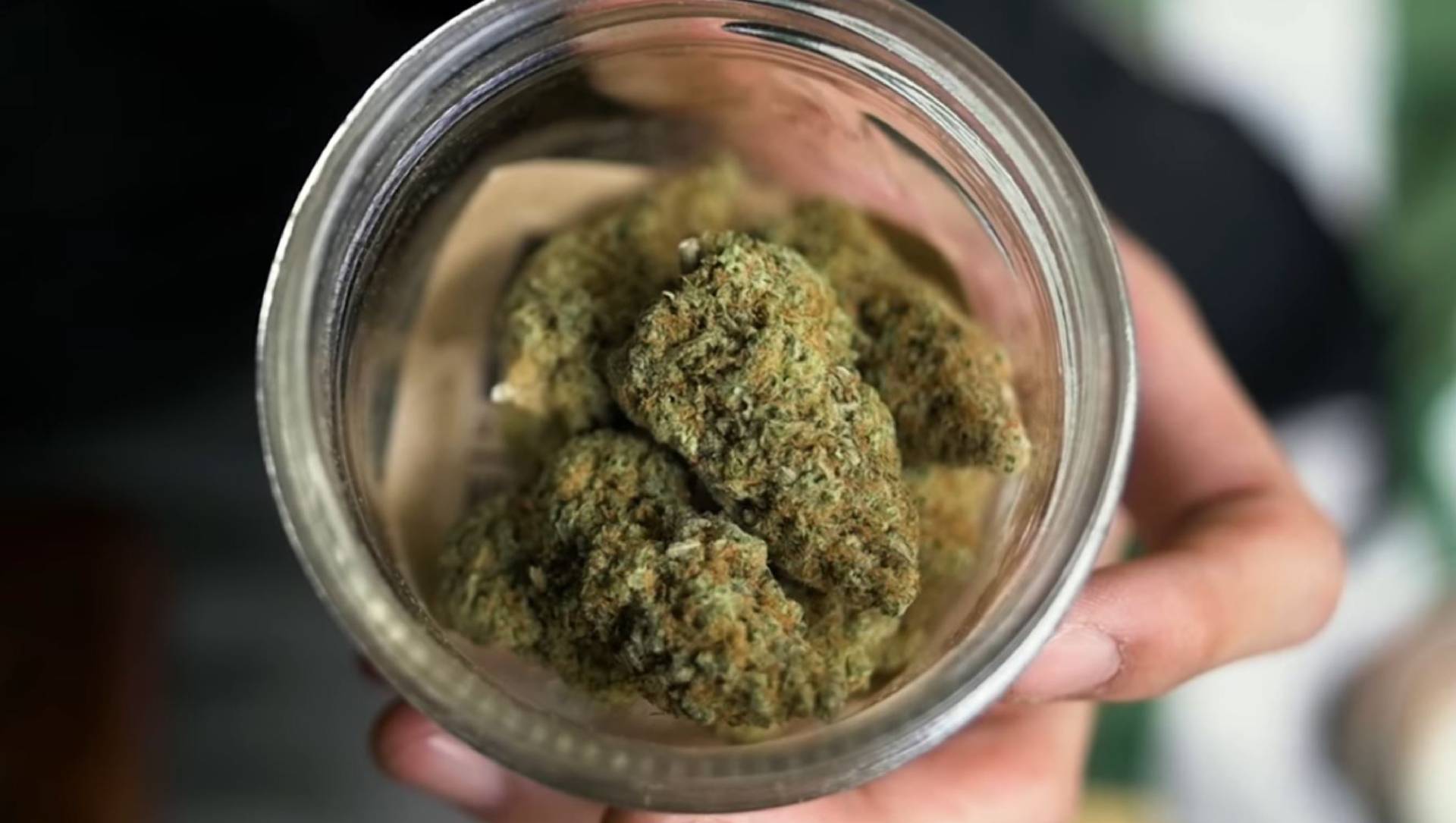

The legalization of medical marijuana has now come into effect in Thailand, as officialized by the royal decree published in The Royal Gazette on Monday afternoon.
A , broadcast live on Facebook, was held at the Food and Drug Administration of Thailand (FDA) in Mueang Nonthaburi district in the outskirts of Bangkok this afternoon to discuss the revisions to the 1979 Narcotics Act.
FDA secretary-general Dr. Tares Krassanairawiwong said that the published act is only the skeletal guideline for legalization. Eight additional regulations needed to implement the law, which will further detail specifics regarding obtaining a license, export, production, cultivation, advertisement and so on, will be released in the following weeks.
The government aims to strictly regulate and standardize their approach to marijuana in order to be able to control and monitor its production process in order to ensure the quality and thus safety, of the herb, said Dr. Tares.
The focus this week, however, will be on finalizing an amnesty plan that regulators hope to publish in the Royal Gazette next week.
The currently plan states that individuals and organizations currently in possession of marijuana will not be punished if they after the legalization law comes into effect, reported Manager.
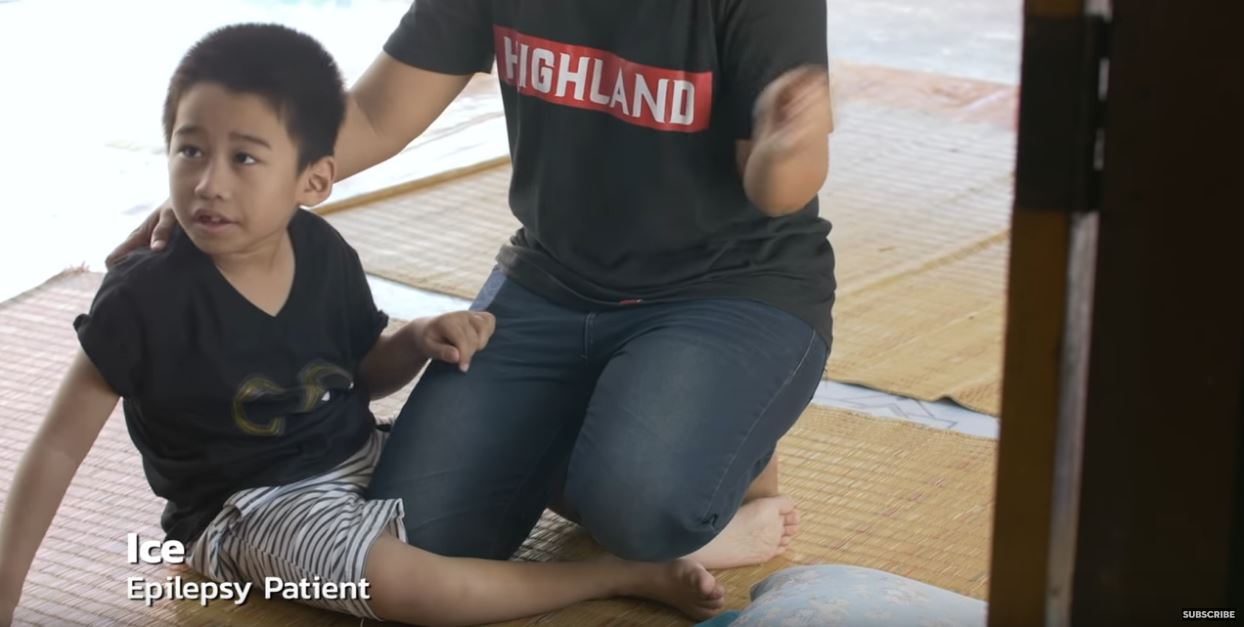
Patients with an existing medical certificate for medical marijuana may be able to keep their current stash but must declare their intent and method of use.
鈥淧eople have already started calling to declare their possession and ask for amnesty but we want to discuss the plan a little more before finalizing it,鈥� said Dr. Tares.
A focus group will be held tomorrow to discuss this plan.
This morning, the Department of Medical Services was assigned the task of preparing a training curriculum for doctors and medical professionals who wish to obtain a license in order to legally prescribe medical marijuana as a treatment.
鈥淓very doctor that wants to prescribe medical marijuana must register and undergo training,鈥� Dr.Tares said, adding that the department has 90 days to put together the plan.
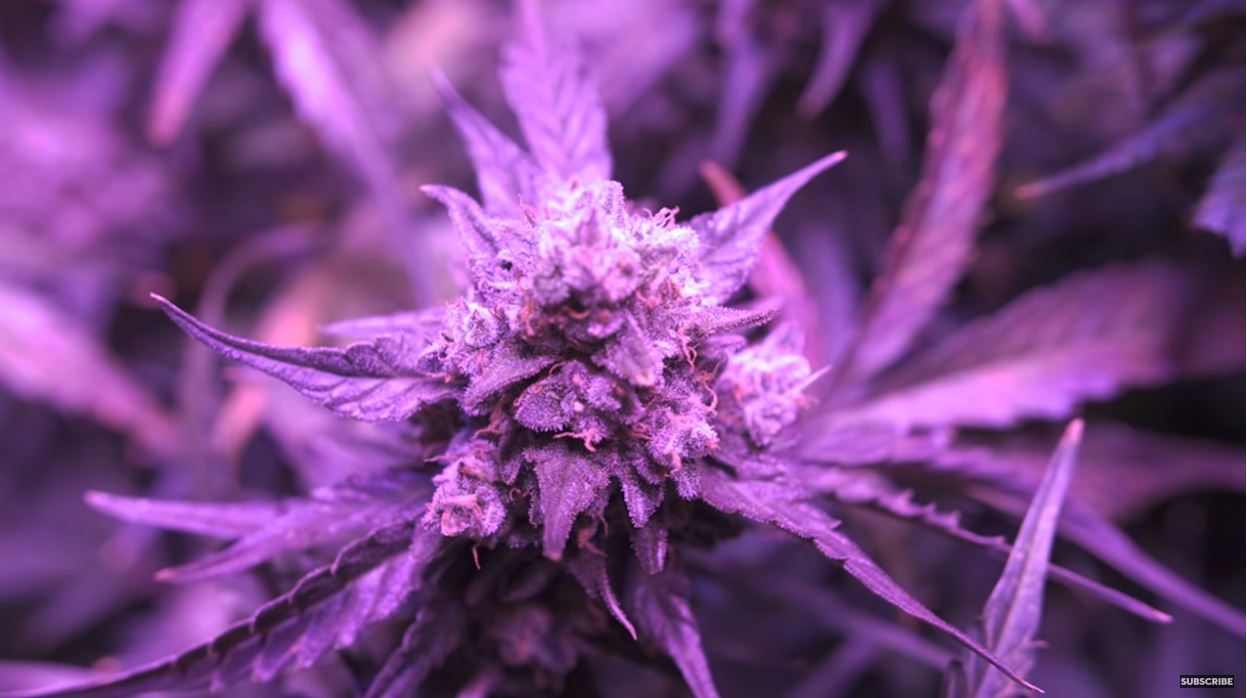
The 2019 Narcotics Act, signed by His Majesty the King and released about two months after it was approved by parliament, legally enables the use of medical cannabis and and kratom, (another local herb with stimulant-like effects) to treat patients, research, development and cultivation.
It declares that drug or health related government agencies, medical professionals, educational and research institutions, patients with prescriptions by certified doctors, and agricultural enterprises registered with the state can possess medical marijuana.
Several departments will oversee and regulate the legalization process including the Narcotics Control Board, the Department of Public Health and the FDA.
Import and export of marijuana in an amount less than 10 kilograms will also be allowed to treat certain diseases, if the cannabis is attached a certificate from a licensed medical practitioner.
On Christmas Day, Thailand became the very first Southeast Asian nation to legalize medical marijuana. The government had said they wanted the legalization to be their New Year鈥檚 gift to Thai citizens.
To find out more about the kingdom鈥檚 medical marijuana awakening, check out 黑料社 TV鈥檚 documentary mini-series available on Netflix now.

Correction: An earlier version of this story credited some quotes to Dr. Teerawat Hemachuta when it was actually Dr. Tares Krassanairawiwong.聽


